%20(19).png)

.svg)
Sea War: Uboat Raid Guide for High Spenders (tips, strategy & early game walkthrough)
.png)
.png)
.png)
.png)
.png)
.png)
.png)
.png)
For commanders who treat their Sea War: Uboat Raid account as a long-term investment, and want to make sure their first 30 days build something that compounds.
Sea War: Uboat Raid tips and tricks for serious accounts
Progress in Sea War: Uboat Raid compounds. Quietly.
The decisions that separate accounts still stuck at mid-tier from the ones holding real guild influence are not dramatic. They are structural. Made in the first thirty days. Barely visible from the outside. Expensive to unwind later.
This guide is not for commanders figuring out the tutorial. It is for guild leaders and whale players already spending $500+ per month who want to know which early decisions create the most compounding advantage in Sea War: Uboat Raid, and which ones quietly cap the account's ceiling. If you have been searching for Sea War: Uboat Raid tips, tricks, or strategy that goes beyond what a wiki covers, this is the guide.
Sea War: Uboat Raid strategy tips that separate serious accounts from everyone else
These are not tips about what to click. They are structural account decisions that either compound in your favor for an entire season or quietly cap your ceiling without you noticing until months later.
Country choice is your first and most permanent decision
Sea War: Uboat Raid opens with a choice of playable country, and each country carries its own Country Trait and a roster of historically famous combat units tied to it. This is the closest thing the game has to a faction choice, and it is treated far too casually by most first-thirty-day accounts.
Committing to a country locks the direction of your officer recruitment priorities and which historically famous units are realistically available to you. Switching direction later means unwinding weeks of resource and officer investment built around the wrong country's strengths. Checking which country traits are actually competitive on your server before committing is a five-minute decision worth months of compounding advantage.
Commit to your country's strengths from week one instead of hedging across officer types that don't share a trait bonus.
The warship and jet layer is a mid-game system, not a day-one one
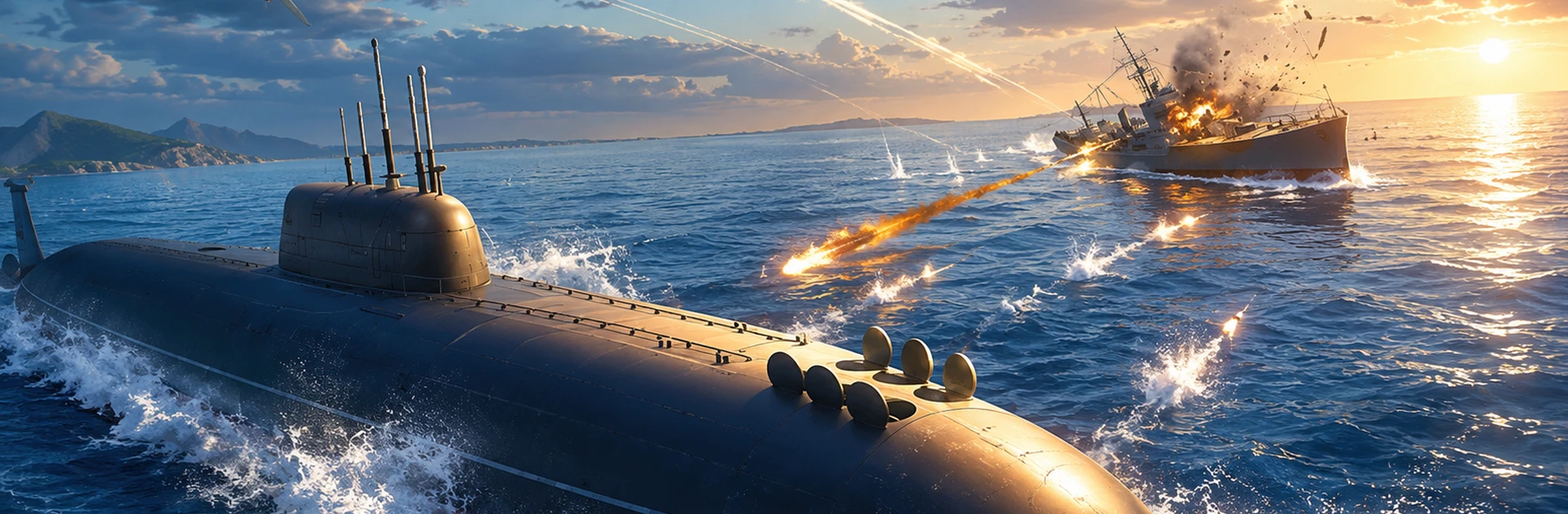
The marketing around Sea War: Uboat Raid leans hard on submarine combat, and that leads a lot of new accounts to expect torpedo battles from hour one. In practice, the fleet layer, warships, jets, and the submarine missions built around them, unlocks well into the account's progression, and the early game runs almost entirely on base building, officer recruitment, and troop training instead.
This matters for spend planning more than anything else in this guide. A serious account that spends its first month chasing warship-adjacent purchases before the fleet system is actually live is spending ahead of the content it can use. The correct sequence is base building and officer investment first, with Gold earmarked for Gun Damage, Torpedo Upgrade, Torpedo Reload Speed, and jet upgrades once the Warship system interface is actually available to you.
VIP status buys account-wide convenience, not just cosmetics
VIP progression in Sea War: Uboat Raid is permanent, and it unlocks more than daily bonuses. Auto-Explore in Operation Falcon is gated behind VIP status, which turns a manual, time-intensive event into something that runs with far less active attention. For a commander managing a guild on top of their own account, VIP-gated automation like this is worth more than its face value suggests.
Treat VIP as a planned path toward a specific next milestone (the next automation unlock, the next daily bonus tier) rather than a byproduct of whatever pack happens to be on screen when you're ready to spend.
Officer concentration beats a wide roster, and Elite Recruitment mostly delivers materials
Officers are recruited through Elite Recruitment in the Recruitment Center, and most pulls return upgrade materials rather than a new officer outright. Those materials are what actually push an officer from a roster filler into someone worth deploying, and the accounts that treat every pull, hit or material, as progress toward a concentrated core roster outperform accounts spreading investment across everyone they've recruited.
The game's own Senior and Junior Officer swap mechanic for forming troops is a signal worth taking seriously: officer roles are not interchangeable, and knowing which officers belong in a Senior slot versus a Junior slot for a given troop formation is worth more than raw officer count. Advanced talents, once unlocked for your core officers, are a further multiplier that should go to your concentrated roster first, not get spread thin trying to bring everyone up evenly.
Guild territory and guild quality multiply everything above
Zones and the Reclaim Land system are where guild-level coordination actually shows up on the map. Joining an active guild grants a free relocation into contested Zones, which is a meaningful head start that solo-minded accounts leave on the table by staying in an inactive or low-coordination guild out of habit.
The non-obvious part: your own spending inside an active guild benefits the members around you as much as it benefits your own account. Red Envelope rewards drop into Guild Chat when a commander hits certain level milestones, meaning active, leveling members are a direct resource stream for the whole guild, not just themselves. A guild leader spending seriously in a quiet, low-activity guild is subsidizing a ceiling on their own progress the same way everyone else is.
The event calendar governs when to push, not just what to buy
Sea War: Uboat Raid runs a recurring event calendar, and knowing its shape is as important as knowing what to spend on. Arms Race is the competitive, matchmaking-based event that rewards actions completed inside its scoring window at a premium over the same actions completed outside it.
Göring Annihilation and Frontline Raid are combat-focused event chains with their own deploy and scoring mechanics. Operation Falcon is the exploration-driven event where VIP-gated Auto-Explore meaningfully reduces the active time required to compete. Biozone: Showdown and Pro Angler round out the rotation as periodic limited-time events.
Knowing this rotation lets a serious account time major spend and officer prep to land inside the window that actually pays it back, rather than spending on a random Tuesday and getting a fraction of the value a scoring window would have returned.
Guild quality is the multiplier on every other decision here
Every strategy tip above becomes more valuable in a strong, active guild and less valuable in a weak one. Guilds in Sea War: Uboat Raid exist to coordinate Reclaim Land pushes, contest Zones, and prepare for guild-versus-guild confrontations that no single commander can win alone.
The non-obvious element most guides skip: guild leaders who pin priority notices and coordinate Arms Race and Göring Annihilation timing across the roster get measurably more out of the same collective spend than guilds where members are reacting to events individually as they appear. Territory, officer development, and event scoring all compound faster inside a guild that actually communicates its calendar.
The accounts that compound are the ones that made these decisions early
Country choice, warship sequencing, VIP planning, officer concentration, guild territory coordination, and event calendar alignment. Each one on its own produces a modest compounding advantage. All of these together, executed in the first thirty days of a serious account, produce the kind of gap that is visible on any server within a couple of months and difficult to close without starting over.
Here is the multiplier most serious commanders never think to optimize:
The coordination decisions above determine how efficiently your guild's collective investment converts into territory and event outcomes. There is a second variable most accounts leave unexamined: how efficiently each member's spend converts into Gold.
Most players buy directly in-game at full retail price. For a single commander, the difference is manageable. For a guild where 15 or more members are all paying full retail independently, that gap compounds into a meaningful amount of lost efficiency across a season. The same monthly budget, routed more efficiently, produces more officer copies, more speedups, and more event participation without anyone changing how they play.
Sea War: Uboat Raid strategy guide: FAQs
What is the best Sea War: Uboat Raid strategy for guild leaders?
The highest-leverage guild leader strategies are: coordinating country choice across the roster so the guild's collective trait bonuses actually stack, sequencing warship and jet spend to the level 17-ish fleet unlock instead of spending ahead of it, pinning Arms Race and Göring Annihilation windows in Guild Chat ahead of time, and treating Reclaim Land pushes as scheduled campaigns rather than reactive scrambles.
What is the fastest way to progress in Sea War: Uboat Raid?
The fastest progression path for a serious spender is: commit to a country early based on server-competitive traits, prioritize base building and officer concentration over chasing warship content before it unlocks, fund VIP toward the next automation milestone rather than passively, and time Gold spend to Elite Recruitment banners and event scoring windows instead of spreading purchases evenly through the week.
Is Sea War: Uboat Raid actually a submarine combat game?
Submarine and warship combat is a real, developed system, but it is a mid-game layer rather than the core day-one loop. Most of an account's early progression runs through base building, officer recruitment, and guild coordination, with the fleet system becoming a meaningful part of the game once an account reaches the level where warships unlock. Planning spend around that sequencing avoids wasting Gold on fleet upgrades before there is a fleet to upgrade.
What should guild leaders do differently in Sea War: Uboat Raid compared to solo players?
Three things most solo-focused guides skip: your own spending inside an active guild lifts the Red Envelope and territory outcomes for everyone around you, not just your own account. Reclaim Land free relocation on guild join is a structural advantage that only pays off if the guild you're joining is actually active. And coordinating Arms Race and Göring Annihilation timing across the roster, rather than letting each member react individually, returns more collective value than any single member's personal spend can produce alone.
Packsify helps high-spending mobile strategy players turn the same monthly budget into more in-game power. Official channels. Real humans. No bots, no hacks, no drama. 5+ years operating. Zero bans.