Sea of Conquest Flagship Formation Guide (best ship builds, eternal blueprint and fleet setup)


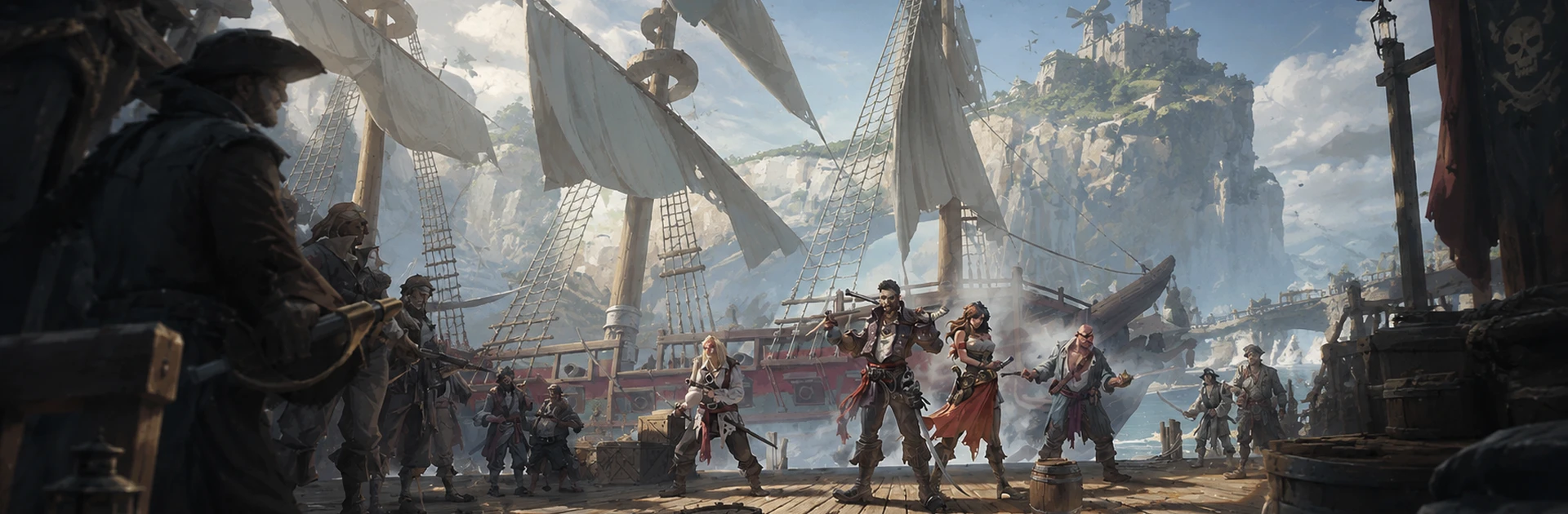
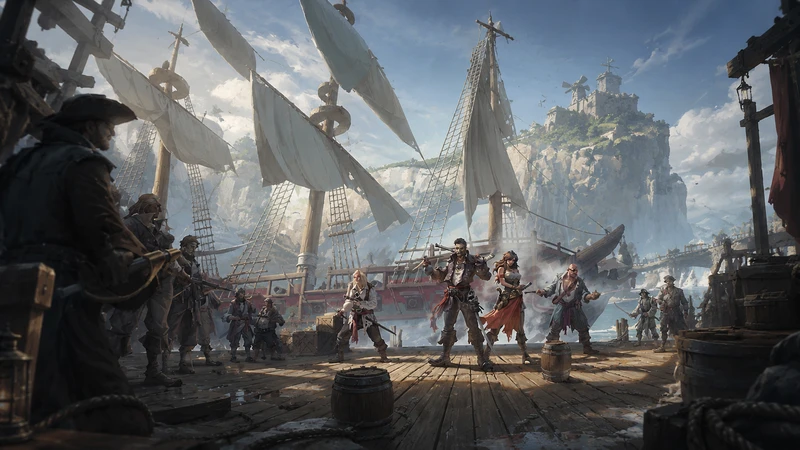
For Sea of Conquest Gang leaders spending $500+/month who want to know the best flagship build for their defensive core, which ship builds to run for each damage archetype, how the Eternal Flagship Blueprint fits into fleet progression, and how to set up a fleet that wins Showdown brackets rather than just fields power.
The number on your fleet's Power screen does not win Showdown o' Gangs. Formation does. Two accounts at the same spending level and the same hero roster produce dramatically different results depending on whether they have matched heroes to the right ships, built the right ship parts on the right archetypes, and structured the fleet so the Flagship is doing its actual job of absorbing fire while the damage ships work uncontested. The accounts that dominate their servers almost always planned the full fleet before they started spending, not after.
This guide covers the flagship build that defines the current meta, the ship builds for each damage archetype, how the Eternal Flagship Blueprint fits into your fleet progression, and how to set the fleet up so every piece compounds rather than competes with the others. No beginner framing. This is for accounts already operating at competitive scale.
How does flagship formation actually work in Sea of Conquest?
The architecture of every competitive Sea of Conquest fleet follows the same structure: a durable Flagship that absorbs every incoming shot, and specialized side ships that deal damage without taking any. The Flagship's job is not to hurt the enemy. Its job is to be so durable that the enemy is forced to waste shot after shot into it while your Artillery, Cutthroat, Blaze, Drowning, or Strategic side ships work freely. Get this role distinction right and the entire formation scales correctly. Get it wrong and you end up with a Flagship that deals mediocre damage and side ships that die before they can contribute.
The Flagship is also the fleet's structural backbone in a way that goes beyond combat. Its level sets the maximum level cap for every side ship in your fleet, which means every Flagship upgrade is simultaneously an investment in the entire fleet's ceiling. Flagship first is the rule not just for combat reasons but for progression reasons. A level 31+ Flagship unlocks the fourth and fifth side ship slots that give serious accounts their full six-ship fleet. Until then, your damage capacity is structurally limited regardless of how well your heroes and ship builds are optimized.
What is the best flagship build in Sea of Conquest right now?
The core principle of the Flagship build is HP and Armor above everything else. Every ship part you slot onto the Flagship should have HP as the primary stat. This is not a preference, it is the structural requirement of the role: the Flagship absorbs all incoming fire, so its durability ceiling determines how long your side ships have to deal damage uninterrupted. An attack-stat Flagship that dies faster while dealing mediocre output is the single most common expensive formation mistake we see at serious spending levels.
On the hero side, the current meta Flagship core is Chien providing damage mitigation, Callahan Durrach layering shields on top of that mitigation, and an aggro-pulling Captain to redirect enemy targeting onto the Flagship and away from your damage ships. Kenshiro, from the active collab window, is the current ceiling for the Captain role. Toothsome Tom is the strongest standard-pool Captain and the right call for accounts that are not pursuing the collab track. Together, these three heroes create a Flagship that forces opponents to pour sustained fire into a ship that absorbs it while your side ships operate at full output.
The Flagship now supports up to five hero slots. The fourth slot, the Master-at-Arms, is locked to defense heroes only. The fifth slot, the Surgeon, accepts support heroes only. Both are recent additions that create a meaningful whale advantage: accounts with deep defensive rosters can slot strong defense heroes into the Master-at-Arms slot and a healing or mitigation support into the Surgeon slot without sacrificing the core three positions. For accounts still building the core three, fill these slots with the best available defense and support heroes you have rather than leaving them empty. The 20% attribute bonus heroes receive from being placed in their preferred slot makes correct placement meaningful at every stage of account development.
On ship tech, community resources across the BRB wiki and AllClash hold the same hierarchy: Hull upgrades (HP and Armor) take priority over Weapons upgrades, which take priority over Engine and Crew. This matches the stat priority logic: the Flagship's job is durability, so every tech point spent on Hull directly serves the formation's function. Ship parts follow the same logic: HP and Armor rolls on Flagship parts, attack stats on side ship parts. The four-piece set bonus from matching ship part sets adds further advantages once you have the pieces to stack them.
What is the Eternal Flagship Blueprint in Sea of Conquest?
The Eternal Flagship Blueprint is a specific ship design blueprint for a named side ship called the Eternal Flagship. It is a separate ship from your main Flagship, built through the standard ship construction system alongside designs like the Warhammer and the Fearless Princess. To build it you need the Blueprint itself plus 20 Shipwright's Hammers per build attempt, and the quality you receive each attempt is random, which means serious accounts often build it multiple times to secure a Legendary-quality version.
The Blueprint is obtained through seasonal event milestone rewards and the season event shop rather than through standard purchasing channels, which makes it a time-gated investment with a similar decision logic to SP hero windows. When the Blueprint is available and your main Flagship core is already solid, it is a meaningful fleet addition worth pursuing. When the Blueprint window opens before the Flagship hero core is complete, it competes with Conch investment that would return more formation power per Gleamstone. The fleet-slot gating also matters: the Eternal Flagship as a side ship only delivers its full value once your fleet has enough slots to field it alongside your primary damage archetypes.
What are the best ship builds for each archetype in Sea of Conquest?
Each damage archetype in Sea of Conquest has specific ship design requirements, hero compositions, and stat priorities. The rule that applies across all of them: side ships prioritize attack stats, not HP. The Flagship handles the durability layer. Side ships convert that coverage into maximum damage output. Cross-equipping defense stats onto a damage ship wastes the stat budget the Flagship's survivability is buying you.
Artillery ship. The Artillery archetype's value is multi-target AoE damage across enemy formations, which makes it the highest-return archetype for most Showdown o' Gangs content where you are fighting enemy fleets rather than single-target sea monsters. Long John Silver is the current standout with Fortuna as the secondary anchor. The stat priority is raw attack output. Artillery underperforms against single targets but excels in any content where the enemy fields multiple ships simultaneously.
Cutthroat ship. Cutthroat is your single-target burst archetype, purpose-built for breaking through heavily defended flagships and for sea monster content where AoE spread wastes damage. Mamiya, from the current collab window, sits at the very top of the archetype. Fifi and Euryale carry the standard pool. Cutthroat is the complement to Artillery: one excels where the other is limited, which is why Gang leaders who coordinate formation diversity across their roster assign these two archetypes to different members rather than having everyone build the same one.
Blaze ship. Blaze applies damage over time that ignores a portion of the target's armor, making it consistently effective against high-armor targets and sustained against enemies that would absorb burst damage. Demona Rood is the standard-pool anchor. Mai Shiranui is the elite limited pick for accounts that built her during her event window. Blaze is a longer-engagement archetype that rewards patience in extended fights.
Drowning ship. Drowning is a damage-over-time archetype that scales with sustained engagements and is particularly effective against targets with significant armor. Mari Itxaso is the new season enabler who opens the archetype's ceiling. B Jenet and Verdania round out the top picks. One honest note about this archetype: Drowning has leaned heavily on limited hero releases over the course of its development, which makes it harder to build to competitive depth for accounts that missed the relevant event windows.
Strategic ship. Strategic delivers consistent balanced damage that sits between Artillery's multi-target spread and Cutthroat's single-target burst. Kalomira and Vantanos are the current anchors. Strategic is a stable mid-range archetype that works in both formation fights and single-target content without excelling in either the way that specialized archetypes do against their ideal targets.
Support ship. In Season 3 and beyond, the meta adds a dedicated support ship to the fleet alongside the Flagship and damage ships. The Support ship runs heroes whose kits benefit the entire fleet rather than dealing direct damage. Cecilia Schafer, Laila, and Linea are the current top picks. Cordelia belongs here rather than on the Flagship, because her healing scales with the damage her ship takes and she delivers significantly more healing value on an aggressive ship under fire than on a Flagship built specifically to minimize incoming damage.
What is the best fleet setup for serious Sea of Conquest accounts?
Fleet setup in Sea of Conquest runs from a minimum of three ships in the early game up to a maximum of six: one Flagship plus five side ships. The side ship slots unlock progressively as the Flagship levels: the third slot opens at Flagship level 22, the fourth at level 31, and the fifth at the endgame level cap. For accounts operating at competitive spending levels, the full six-ship fleet is the target, because each additional damage ship adds a full archetype of output that the enemy formation has to account for.
The priority order for fleet slot investment follows the formation logic: Flagship first (always), Artillery ship second for most accounts given its Showdown o' Gangs value, Cutthroat third to cover single-target content, then Support in Season 3 and beyond, then Blaze, Drowning, and Strategic in the order that matches your hero roster depth. There is no universal correct answer for which archetypes to build third and fourth because it depends on which heroes you have invested and which event windows you hit, but the Flagship and Artillery investment order is consistent enough to call a general rule.
How should Gang leaders coordinate fleet diversity across the roster?
The most common and costly Gang-level formation mistake is every heavy spender running the same archetype. If the top five spenders in a Gang all built Artillery ships with the same hero core, the Gang enters Showdown brackets with significant Artillery output and no Cutthroat, Blaze, Drowning, or Strategic coverage. A coordinated enemy formation exploits this gap because they know exactly what your damage profile looks like. The counter requires nothing that costs Gleamstones: map who is building which archetype, assign deliberately, and ensure the Gang fields at least three different damage types among its core spenders.
The same coordination principle applies to the Eternal Flagship Blueprint window. The Blueprint is limited and the event has a finite timeline. Gang leaders who know which members have complete Flagship cores and surplus Hammers before the window opens can direct those members to build the Blueprint early, before prices in the event shop reset. Members still assembling their core ship builds should sit the window out and keep their Hammers for the builds that are already in rotation. One pre-event message in leadership chat distributes this information to the whole roster without requiring everyone to figure it out independently during the event window when reactive spending tends to happen.
Packsify helps high-spending mobile strategy players turn the same monthly budget into more in-game power. Official channels. Real humans. No bots, no hacks, no drama. 5+ years operating. Zero bans.
Your budget should be working harder than it is...
Here is the multiplier most serious Gang leaders never think to optimize: not which ships they build, but what every Gleamstone that funds them actually costs. Fleet investment in Sea of Conquest is not a one-time purchase. It is an ongoing monthly commitment across Conch bundles for hero upgrades, Shipwright's Hammers for ship builds and rebuilds, Blueprint availability from event shops, ship part enhancement materials, and event packs that unlock new designs each season.
Most players buy directly in-game at full retail price. For a single player, the difference is manageable. For a Gang where 15 or more members are all paying full retail independently, that gap compounds into a meaningful amount of lost efficiency across a season. The same monthly budget, routed more efficiently through official channels, produces stronger individual accounts that execute the coordination framework above at a higher power level.
Packsify routes your Sea of Conquest purchases through official channels in a more efficient way than buying solo. Same Glemstones, same in-game delivery, same official payment rails. The difference is that your monthly budget produces more actual power without changing how or where you play.
Sea of Conquest flagship and ship build FAQs
What is the best flagship build in Sea of Conquest in 2026?
The best Flagship build in 2026 prioritizes HP and Armor on all ship parts, with Hull tech upgrades first among the Flagship's four tech categories. The hero core is Chien for damage mitigation, Callahan Durrach for shielding, and Kenshiro or Toothsome Tom as the aggro-pulling Captain in the first three slots. The Master-at-Arms slot (slot 4) takes your strongest available defense hero, and the Surgeon slot (slot 5) takes a healing or mitigation support. This setup makes the Flagship durable enough to hold enemy fire across extended Showdown engagements while your damage ships deal output freely.
What is the Eternal Flagship Blueprint in Sea of Conquest?
The Eternal Flagship Blueprint is a ship design blueprint for a named side ship called the Eternal Flagship. It is obtained through seasonal event milestone rewards and the event shop rather than through standard purchasing, making it time-gated like SP hero blueprints. Building it requires 20 Shipwright's Hammers per attempt, and the quality of the ship you receive is random per build, so serious accounts typically build it multiple times to secure a Legendary outcome. It represents a meaningful fleet addition for accounts with an established Flagship core and available fleet slots, and a lower-priority investment for accounts still assembling the foundational fleet.
What are the best ship builds in Sea of Conquest for 2026?
The best ship builds per archetype in 2026 are: Artillery with Long John Silver and Fortuna for AoE formation damage; Cutthroat with Mamiya, Fifi, or Euryale for single-target burst; Blaze with Demona Rood or Mai Shiranui for armor-ignoring sustained damage; Drowning with Mari Itxaso, B Jenet, or Verdania for damage-over-time; Strategic with Kalomira and Vantanos for balanced output; and a Support ship with Cecilia Schafer, Laila, or Linea in Season 3 and beyond. Cordelia belongs on the Support or an aggressive side ship, not the Flagship, because her healing scales with the damage her ship takes.
What are the best heroes for ships in Sea of Conquest?
The Flagship hero core is Chien (damage mitigation), Callahan Durrach (shielding), and Toothsome Tom or Kenshiro (aggro Captain). The Flagship now supports two additional role-locked slots: the Master-at-Arms accepts only defense heroes, and the Surgeon accepts only support heroes. Elizabeth Sheen and Rikiishi Yuji are solid choices for Flagship slots beyond the core three. Placing heroes in their preferred ship slot grants a 20% attribute bonus that compounds meaningfully at competitive investment levels. For the complete investment ranking across all hero roles, see the Sea of Conquest hero tier list.
How does the fleet setup work in Sea of Conquest?
Your fleet in Sea of Conquest consists of your Flagship plus side ships, with the maximum fleet size reaching six ships (one Flagship plus five side ships) once the Flagship reaches the endgame level. Side ship slots unlock progressively: a third slot opens at Flagship level 22, a fourth at level 31, and a fifth at the level cap. Side ships are built using Blueprints and 20 Shipwright's Hammers per build attempt, with random quality per attempt. The Flagship's level sets the maximum level for every side ship, which is why Flagship progression comes before side ship investment at every stage.
What is the best fleet setup for Showdown o' Gangs in Sea of Conquest?
For Showdown o' Gangs, the most effective fleet setup prioritizes the Flagship defensive core plus Artillery as the primary damage archetype, since Showdown fights predominantly involve attacking enemy fleets where AoE formation damage outperforms single-target burst. Cutthroat as the second archetype covers the single-target scenarios. Support ship investment becomes relevant in Season 3 when the meta supports dedicated support ship builds. The full formation strategy for Showdown bracket play, including Gang coordination across the full roster, is covered in the Showdown o' Gangs strategy guide.
Is HP or attack the most important stat for ship parts in Sea of Conquest?
It depends on the ship. HP and Armor are the priority stats for Flagship ship parts, because the Flagship's job is to absorb damage and every durability point directly serves that role. Attack stats are the priority for all side ship parts, because your damage ships need to convert the coverage the Flagship provides into maximum output. A common formation mistake is applying the same stat priority across the entire fleet. The Flagship gets HP rolls. Every damage ship gets attack rolls. This separation is what makes the formation architecture work correctly.