%20(19).png)

.svg)
Last Furry: Survival Best Team Guide (squad roles, positioning & early lineup priorities)
.png)
.png)
.png)
.png)
.png)
.png)
.png)
.png)
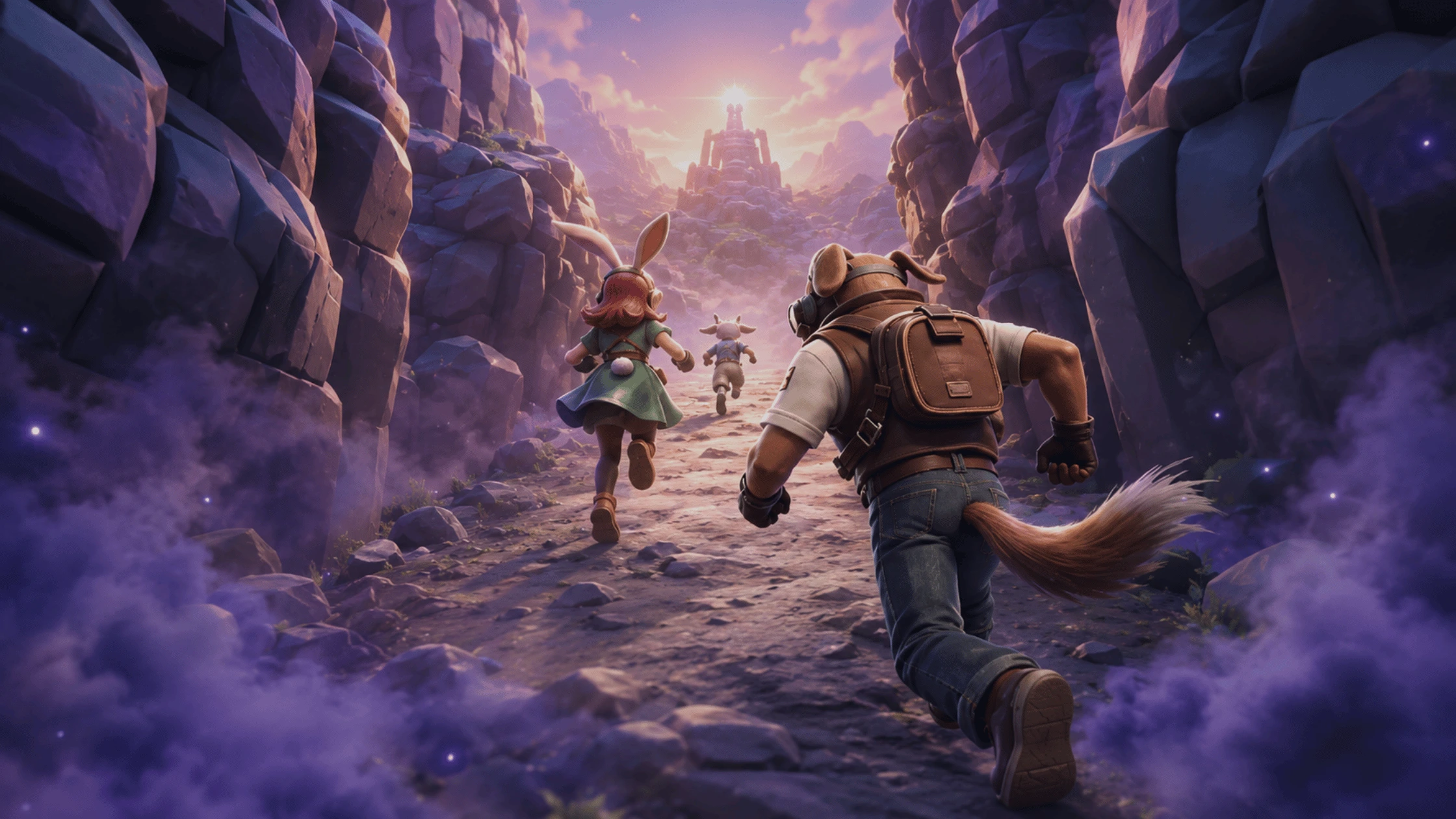
For Last Furry Commanders who already know they need a real squad, and want to know how to build one instead of throwing every recruited hero into the same formation.
What "best team" actually means in Last Furry: Survival
A hero list tells you who is recruitable. Team building tells you which of those heroes actually work together, and how you position them so the squad survives contact instead of getting picked apart hero by hero.
Last Furry: Survival splits its hero roster across a handful of roles: frontline warriors built for direct combat, engineers who accelerate development rather than fight, sharp-eyed scouts, and mysterious specialists whose powers shift the odds of a fight rather than adding raw stats. Heroes also split by engagement range, close-range and long-range, which is a separate axis from their role and matters just as much for how you slot them.
This guide covers how to think about squad composition, the positioning principles that actually decide fights, how to match squad power to exploration risk, and where Commander Gem and Commander Gear fit into the picture.
Positioning is the first thing that decides a fight, before hero power does
The single most common mistake with a brand new squad is treating hero recruitment as the whole job and positioning as an afterthought. It is not. A close-range warrior sitting where a long-range specialist should be soaks damage nobody planned for her to take, and a long-range damage hero pushed into a frontline slot gets removed from the fight before her kit ever activates.
The general principle that holds across this entire genre of squad-based survival games, and that Last Furry: Survival's own beginner guidance repeats directly, is straightforward: your most durable, frontline-suited heroes go where they absorb the first hits, and your close-range fighters, long-range damage dealers, and support-oriented specialists sit behind that line so they can do their job without dying first. A team that looks powerful on paper but is positioned wrong loses to a weaker team that is positioned correctly.
Before evaluating whether a hero is "good," evaluate whether she is slotted where her range and role actually let her contribute.
Warriors anchor the line, engineers build your account, scouts and specialists round out the squad
Warriors are the heroes built to take contact and hold a frontline position. They are not optional in a serious squad, they are the foundation everything else stands behind.
Engineers do not belong in your combat squad at all in most cases. Their value is account-wide development speed, which is a different investment lane entirely. Recruiting and upgrading an engineer is still worth doing, but it is a separate decision from building your fighting lineup, not a substitute for it.
Scouts and mysterious specialists are where squad identity actually gets built. A scout brings the kind of utility and information advantage that shapes how an expedition or engagement plays out, while a specialist's fate-altering power is what turns an even fight into a won one. Which of the two you lean on harder depends on your available roster, but a squad with zero specialist or scout presence is leaving a meaningful part of the game's combat design unused.
Concentration beats a spread roster, even here...
Every 4X title in this genre punishes accounts that spread upgrade materials evenly across a wide hero roster instead of committing to a core lineup, and nothing about Last Furry: Survival's design breaks that pattern. Recruitment pulls hand over upgrade materials far more often than new heroes, and those materials are what actually move a hero from a mediocre roster slot to something worth deploying. Splitting that limited material pool across six half-built heroes produces a squad that loses to an account with the same total investment concentrated into four.
The practical version of this: pick your frontline warrior, your primary close-range or long-range damage hero, and your specialist or scout early, and route materials there first. Everyone else on the roster sits at minimum viable investment until the core lineup is actually strong, not the other way around.
Do not lock the lineup permanently. The same community guidance that applies to every hero-collector game applies here too: a hero sitting unused today can become genuinely viable after a kit update or a gear unlock later, so revisit the roster periodically rather than assuming week-one choices are final.
Match squad power to exploration risk, not to ambition
The heroes you have built matter most outside the shelter walls, where expeditions gather the resources, salvage, and materials that fuel everything else. Every expedition target in the toxic fog is a bet: your current squad power against the specific threat sitting at that location.
Sending an underbuilt squad into a fight it cannot win does not just fail the expedition. It typically costs the squad itself, which means a rebuild cycle stacked on top of the resources already lost. The discipline that separates accounts that clear ground efficiently from accounts that bleed resources every week is simple: check the target's difficulty against actual current squad power before committing the squad, not after it is already engaged.
Commander Gem and Commander Gear support every squad you run
Two systems sit outside the hero roster entirely and strengthen whatever squad you deploy: the Commander Gem, a dedicated account-power track with its own staged upgrade curve, and Commander Gear, equipment tied to the Commander rather than to any individual hero. Neither replaces hero investment, but both compound underneath it, which makes them easy to under-prioritize in the first month simply because they are not as visible as recruiting a new hero.
An account that has built a strong hero lineup but neglected Commander Gem and Gear is leaving structural power on the table that no amount of additional hero recruitment fully replaces. Treat both as a standing priority alongside the hero roster, not a system to circle back to once the squad "feels done."
Where your Last Furry squad actually gets tested
Squad strength shows up directly in Arena, the ranked PvP ladder that runs on a season structure, and in Alliance Base and Alliance Flag battles, where defense buffs apply and alliance-coordinated squads matter as much as individual account power. A squad built purely around clearing PvE exploration targets and never tested against Arena or alliance combat is an incomplete picture of how strong it actually is.
The same positioning and concentration principles apply in every one of these modes. What changes is the opponent, not the underlying logic of frontline durability, backline output, and specialist utility working together.
Your budget should be working harder than it is...
Here is the multiplier most serious Commanders never think to optimize.
The composition and positioning decisions above determine how efficiently your recruited heroes convert into actual squad power. There is a second variable most accounts leave unexamined: how efficiently your monthly spend converts into premium currency in the first place.
Most players buy directly in-game at full retail price. For a single Commander, the difference is manageable. For an alliance where 15 or more members are all paying full retail independently, that gap compounds into a meaningful amount of lost efficiency across a season. The same monthly budget, routed more efficiently, produces more hero copies, more Commander Gear upgrades, and more expedition attempts without anyone changing how they play.
Packsify routes purchases through official channels in a more efficient way than buying solo. Same currency, same in-game delivery, same official payment rails. The difference is at the system level. Your monthly investment produces more actual squad strength without touching your account, your alliance, or how you spend inside the game.
Last Furry: Survival best team FAQs
What is the best team composition in Last Furry: Survival?
There is no single named lineup that holds across every roster, because hero availability varies account to account. The composition principle that does hold: a frontline warrior anchoring the squad, a close-range or long-range damage hero positioned correctly behind that line, and a scout or mysterious specialist providing the utility or fate-altering power that separates an even fight from a won one. Engineers stay out of the combat squad entirely and get built for account-wide development instead.
How does positioning work in Last Furry: Survival?
Heroes split by both role (warrior, engineer, scout, mysterious specialist) and engagement range (close-range or long-range). Frontline-suited, durable heroes should sit where they absorb the first hits. Long-range damage heroes and specialists belong behind that line, where they can act without being the first target. Misplacing a hero, even a strong one, removes most of her value from the fight.
Should I spread upgrade materials across many heroes or concentrate on a few?
Concentrate. Most recruitment pulls in Last Furry: Survival return upgrade materials rather than new heroes, and those materials are what actually make a hero deployable at a competitive level. Splitting a limited material pool across a wide roster produces a squad that underperforms an equivalent-spend account that committed to a core lineup of four or five heroes instead.
Do Commander Gem and Commander Gear matter for squad strength?
Yes, and they are easy to neglect because neither one is a hero. Both apply account-wide power that strengthens whatever squad is currently deployed, which makes them a standing priority rather than a system to revisit later once the hero roster feels complete.
Where does squad strength actually get tested in Last Furry: Survival?
Exploration in the toxic fog is the primary PvE test, and squad power needs to be checked against target difficulty before committing rather than after. Arena is the ranked PvP ladder that runs on a season structure. Alliance Base and Alliance Flag battles test squad strength in a coordinated alliance-defense context where defense buffs apply. A complete squad evaluation looks at performance across all three, not just one.