%20(19).png)

.svg)
Age of Origins Capital War Strategy (scout discipline & rally coordination)
.png)
.png)
.png)
.png)
.png)
.png)
.png)
.png)
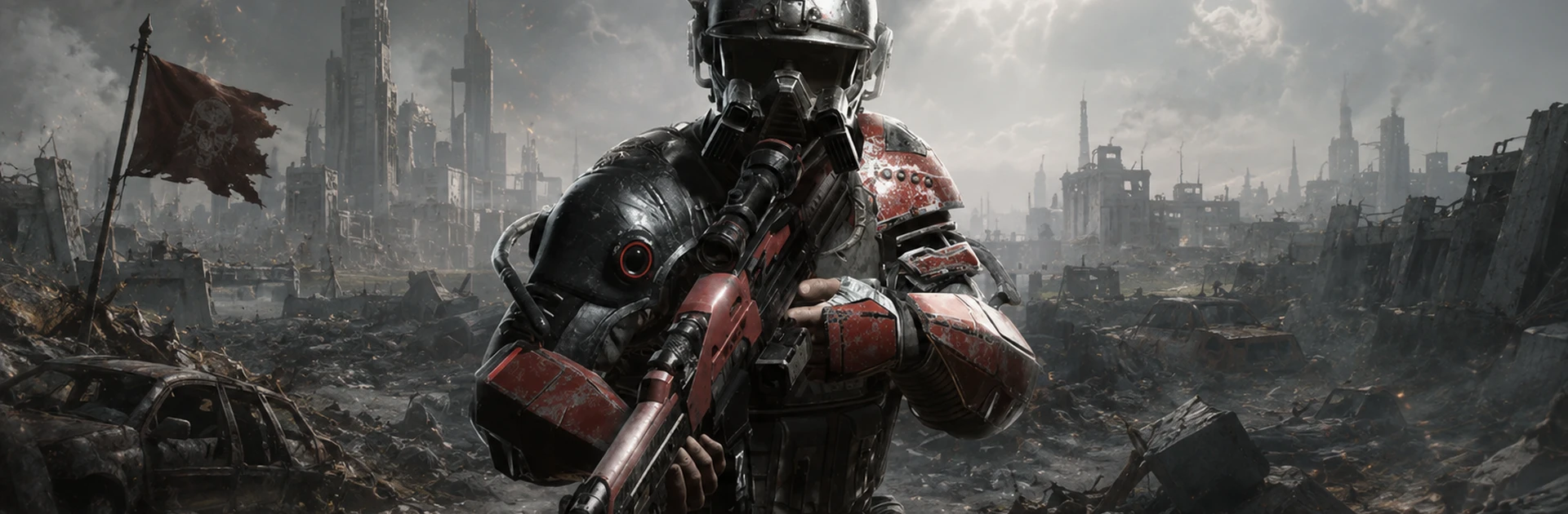
If you are leading or co-leading an alliance in Age of Origins and Capital War is where your roster's coordination either compounds into dominance or falls apart in chat, this guide covers the rally discipline and scout-to-launch sequencing that separates winning alliances from reactive ones.
Capital War is a coordination test, not a power test...
Capital War (also called Alliance Conquest in some server configurations) is the highest-stakes alliance event in Age of Origins and the clearest measure of alliance coordination quality. Individual spending matters here, but Capital War is not an individual ranking event. Two alliances with equivalent combined spending will produce completely different outcomes depending on how their leadership runs scouts, stages rallies, manages reinforcements, and disciplines members during the hit window.
Most alliance leaders know what Capital War is. Far fewer run it with the tactical discipline that separates consistent Top 3 nation finishers from alliances that spent the same Gold and finished outside rewards. This guide covers the specific coordination patterns that work at whale spending scale.
Age of Origins Capital War scoring (the hit-margin rule most alliances get wrong)
Capital War scores alliance kills with event-specific multipliers. For Kill Event variants, you need to win engagements by 2x the defender's points to net positive. In Void War, that margin is 3x. Losing a close battle during Capital War does not score neutrally. It feeds your opponent points through passive scoring.
This changes the core alliance decision. Standard PvP intuition says fight if you can win. Capital War intuition says fight only if you can win by the scoring margin. The gap between those two rules is where most undisciplined alliances leak rankings.
The hit-margin rule forces three structural decisions:
Kick inactive or underpowered members before the event. A member who cannot clear the hit margin against likely attackers becomes a points source for the enemy. The leader who kicks them and attacks them first at least keeps the points neutral.
Concentrate attacks on tier-matched targets. Killing a 100k-troop stack of T3 farm troops scores poorly. Killing 10k T10 elite troops scores heavily. Prioritize scouts on tier-matched targets and skip low-value kills that burn march capacity.
Reinforce smartly, not reflexively. Reinforcing an ally under attack commits your troops to their defense, preventing them from joining rallies or defending your own base. Reinforce only when the margin math supports it.
Scout discipline (the quiet competitive advantage in Age of Origins Capital War)
Scout management is the most underrated part of Capital War coordination. Loud, undisciplined scouting wakes enemy hives and gives defenders time to shield, reinforce, or counter-attack. Tight scout discipline produces attacks that land before defenders can react.
Single-source scouting. One designated scout runner (the member with the highest Recon Center level) posts all scouts in the main alliance chat. Other members do not scout during active operations. Multiple scouts on the same target alert the defender.
Coordinate formatting. Scouts get posted with clean coordinates and a clear call: "598:598 ready, 2m travel, hit with STA formation." Member responses stick to times and formation confirmations only. Clutter breaks the commander's ability to call attacks.
Ping only when attacking. Sharing an enemy city location via the in-game ping signals intent to defenders who monitor alliance chat via spies. Ping to commit, never to discuss.
Label REAL vs FAKE on every call. When sending a fake attack to draw out shields, label it clearly as FAKE in chat. Mislabeled fakes that teammates interpret as real commits produce coordination failure. Real hits labeled REAL tell reinforcements to join.
Rally leader vs. rally joiner assignment
Rally coordination determines whether your alliance's combined troop count lands as a single devastating hit or fragments into underweight rallies that defenders absorb.
Rally leaders drive the rally's combat stats. Their appointed Warfare Trinity (Tifa, Zeus, Alexandria) is what lands at impact. Designate three to five specific rally leaders based on officer investment, not rank in alliance chat. A Captain with a 7-star Tifa makes a better rally leader than a General with a 5-star Tifa.
Rally joiners contribute troops, not combat stats. Joiners should appoint Saki for march size at launch, not the Warfare Trinity, because the rally leader's combat stats override theirs. This stops duplicate Warfare investment across the roster and concentrates fragment priority where it compounds. The officer formation guide covers the full hot-swap sequence for both roles.
The alliance policy that produces consistent Top 3 nation finishes: three to five designated rally leaders max the Warfare Trinity to 6+ stars. Fifteen to twenty designated joiners max Saki and Loreline for march size and healing. Leaders never use their combat officers as joiners.
Attack formation discipline
Age of Origins attack formations have standard names your whole alliance should use consistently. Inconsistent naming during battle creates costly confusion.
TA (Troop Attack): standard combat output formation. Default for most hits.
ATA (Anti-Troop Attack): counters the enemy's expected defensive composition.
STA (Stagger Troop Attack): spread formation to minimize single-shot losses during opening exchanges.
SATA (Stagger Anti-Troop Attack): combines stagger positioning with anti-troop composition.
The rule for 4-team attack patterns: 1111 STA for wide-pressure hits, 1111 SATA for defensive-counter pressure, hard-hit TA for single-target alpha strikes, hard-hit ATA for breaking fortified defenders. Post using the 4-character code in chat, not the full name.
Hard-hit formation rule for rallies: rally leaders always run hard-hit TA or hard-hit ATA. Never stagger in a rally. Rally impact is single-point, so stagger provides no benefit and reduces offensive concentration.
Shield discipline during active Capital War operations
Most alliances lose more troops to failed shield timing than to actual enemy attacks.
When your main fleet is attacking, you cannot shield. Your city is vulnerable to counter-attacks during that window. Two options:
30-minute rallies to dead cities or friendly farms. Rallied troops cannot be killed at home. If you have fewer troops than 5 times your fleet size, this protects your entire overflow before you attack.
Power Ore Mine (blue ore) hiding. Send a fleet to a Power Ore Mine and recall before arrival, then immediately send another. Fleets returning from blue ore do not count toward your fleet limit. This is how Capital War leaders hide troop overflow during active operations.
Doomsday Challenge (City Level 30+ accounts in their own nation): send fleets to far-away Ruins and recall before they reach the target. Does not work during Void War, Frenzy, ChaosLand, or Global Conquest.
The default response to a multi-city speed attack is to shield and bubble-trap, not to fight for marginal kills that will not cross the 2x hit margin.
SOS attacks (the whale-specific Capital War play)
SOS (speed-out-shield) attacks are coordinated multi-member hits on a single target that land within three to five seconds of each other, before defenders can reinforce or shield. For whale alliances, SOS attacks are the single most effective Capital War play during Kill Event and Void War scoring windows.
The SOS sequence:
- Designated scout posts the target with a hit window (time and coordinates)
- Rally leaders and direct attackers set up formations but do not send
- Chat calls the launch time based on slowest march
- Each member notes their personal launch time based on march speed
- All attacks land within three to five seconds of each other
One SOS attack that lands clean strips more troops than ten uncoordinated attacks over the same window. The coordination quality required is why whale alliances dominate Capital War even against numerically larger opposition.
When SOS is used against your members: shield immediately if you cannot counter-attack within the hit margin. Do not defend an SOS hit with troops on the ground. The damage math does not work in your favor.
Your Capital War outcome produces more when the investment behind it does too...
Coordinated rallies with starred Warfare Trinities, reinforced allies with maxed Saki march sizes, and the speedup stockpile that funds the hit window are what actually determine whether your alliance wins Capital War. None of those reach their target values on their own. They get there through months of coordinated member spending, officer fragment pulls, and VIP progression across the roster, all funded by the Gold each member has in their account when pack windows open.
At competitive spending levels, the alliance whose members all run Monthly Cards, whose rally leaders all have 6+ star Warfare Trinities, and whose joiners have maxed Saki consistently out-coordinates the alliance where member spending is irregular. Every week a member skipped their subscription, every Capital War where their rally join contributed fewer troops than it should have, that compounds into a weaker alliance position when your nation settles into its hierarchy.
Most players buy packs directly through the in-game store at full retail. That's the default path, and it works. But it also means absorbing platform fees, regional pricing structures, and transaction overhead that reduce what actually lands in-game.
Packsify routes your purchases through official channels in a more efficient way than buying solo. Same packs, same in-game delivery, same official payment rails. The difference is that every member's monthly budget produces more Gold, more officer fragments, and more speedups per dollar, all three of which compound coordinated alliance output.
Age of Origins Capital War / Alliance Conquest FAQs
What is Alliance Conquest in Age of Origins and is it the same as Capital War?
Alliance Conquest is an alternate name for Capital War used in some Age of Origins server configurations and event variants. Both refer to the server-wide alliance PvP event where alliances compete for kills and territorial control. The scoring mechanics, hit-margin rules, rally coordination principles, and shield discipline in this guide apply regardless of which name your server uses.
Why does my alliance keep losing Capital War despite having higher power scores than the opponent?
Almost always a coordination failure rather than a power gap. The most common causes: rally leaders and joiners both running Warfare Trinity instead of the leader-Trinity, joiner-Saki role split; scouts from multiple members alerting the defender before attacks land; attacks hitting below the 2x kill margin so each engagement feeds the opponent points; and no clear shot-caller so members make individual formation and timing decisions during the hit window. Power scores determine the ceiling. Coordination determines whether the alliance reaches it.
How does the hit-margin rule work in Age of Origins Capital War?
To net positive points from an engagement during Kill Event variants of Capital War, you must win by 2x the defender's point total. In Void War, the margin is 3x. A close win that does not cross the margin does not score neutrally. It feeds passive scoring points to the opponent. This changes the decision from fight if you can win to fight only if you can win by the required margin.
Should I ever kick my own alliance members during Capital War?
Yes, when the math requires it. If a member is unshielded, inactive, or underpowered against incoming pressure and your alliance cannot cross the 2x hit margin to defend them, kicking them and attacking first keeps the kill points inside your alliance instead of feeding them to the enemy. This is the hardest call in alliance leadership and also the most important one that separates Top 3 nation finishers from alliances that avoided the decision.
What is an SOS attack in Age of Origins Capital War?
SOS (speed-out-shield) is a coordinated multi-member hit where all attacks land on the same target within three to five seconds, before the defender can shield or reinforce. The launch sequence: one designated scout posts the target, rally leaders and attackers set formations without sending, chat calls a synchronized launch time based on slowest march speed, all attacks land simultaneously. A clean SOS strips more troops per coordinated window than ten uncoordinated attacks.
How do whale alliances hide troops during Capital War operations?
Three methods. Thirty-minute rallies to dead cities or friendly farms remove troops from home defense. Power Ore Mine sends with immediate recalls let returning fleets bypass the fleet limit. Doomsday Challenge (City Level 30+ in own nation) sends fleets to far-away Ruins with recalls before arrival. Doomsday Challenge does not work during Void War, Frenzy, ChaosLand, or Global Conquest.