%20(19).png)

.svg)
Last Fiefdom Research Priority Guide for Competitive Lords
.png)
.png)
.png)
.png)
.png)
.png)
.png)
.png)
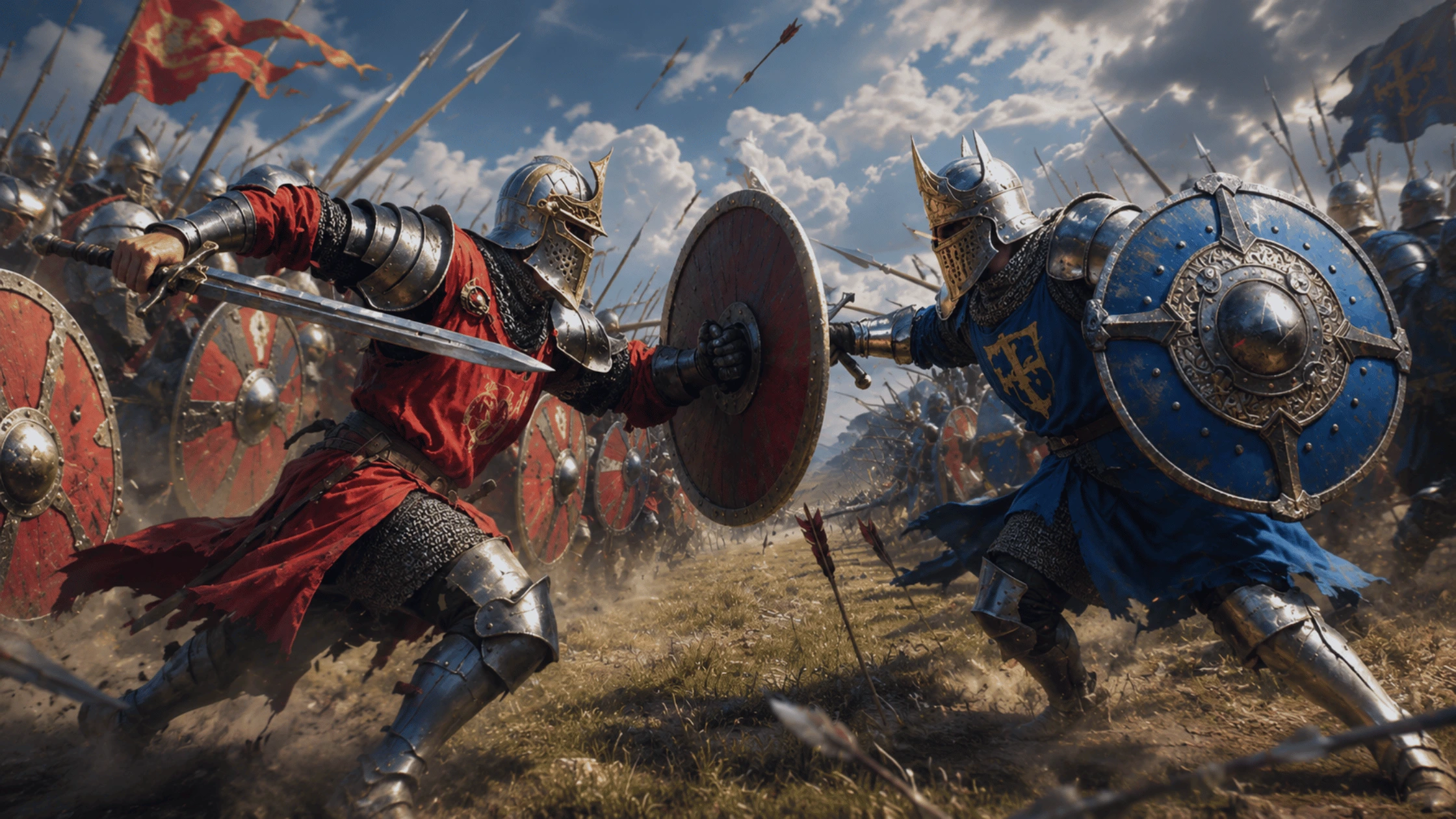
Research in Last Fiefdom is where permanent advantages are built. Fortress construction gates your access to content. Dragon training determines your combat ceiling. But research is what makes the difference between two Lords at the same castle level and the same dragon tier when the battle actually resolves.
Last Fiefdom's research system unlocks permanent combat capabilities that do not reset seasonally. Night invisibility for troop movements. Phalanx formations that change how your infantry absorbs and deals damage. Aurora Hero Weapons that enhance the heroes fighting alongside your dragon. T17 Dragon Knight research that extends your dragon's castle assault contribution. Lost Relics, Supreme Mystic Soul Core, and Enlightenment Gemstones as the deep endgame research layer.
This guide covers the confirmed research systems in Last Fiefdom, the sequencing that serious accounts use to reach the highest-return nodes first, and how to avoid the most common research prioritization errors that cost competitive accounts weeks of recoverable advantage.
Why research matters more than most Lords prioritize it
The standard mistake for new serious accounts in Last Fiefdom is treating research as a parallel activity that runs when resources allow. It is not. Research is the compounding system that defines how much your castle level and dragon development actually return in combat.
Two Lords at the same Stronghold level with different research depths fight completely differently. The difference is not visible on the scouting screen. It shows up when phalanx formations absorb opening damage differently, when night invisibility changes how a march approaches a fortified position, when Dragon Knight research tiers determine what the dragon contributes to the assault.
Serious accounts treat research as a continuous commitment, not an occasional activity. The research queue should never sit empty. The accounts that dominate castle wars in month three started building that research advantage in week two.
Last Fiefdom research systems (meta 2026)
Night invisibility is a confirmed research unlock in Last Fiefdom's combat research tree. It modifies how troops approach fortified positions during night engagements, reducing the opponent's ability to detect and respond to march movements. For alliance leaders coordinating 100v100 castle assault timing, night invisibility research across the roster changes what coordinated pre-dawn assault patterns are possible.
Phalanx formations are a confirmed research unlock that modifies how your infantry formation absorbs and deals damage. The phalanx configuration tightens formation density and increases resistance to cavalry-led charges. For accounts running Pikemen as the frontline troop type, phalanx research compounds the Pikemen's native counter advantage against cavalry into a significantly more durable defensive posture.
T17 Dragon Knights are an expanded research track within the Dragon Knight research tree. They extend the dragon's combat role in 100v100 castle assaults and represent one of the highest-tier research investments for accounts targeting competitive castle war performance. T17 Dragon Knight research requires both research depth prerequisites and dragon development prerequisites.
Aurora Hero Weapons are a confirmed update addition to the research and hero enhancement system. They enhance the heroes deployed alongside your dragon in castle assaults. Aurora Hero Weapon research becomes meaningful when your hero development has reached the tier where the weapon enhancement produces visible combat return.
Illusion Hero Weapons are the subsequent tier to Aurora Hero Weapons. They follow the same research structure and represent the deeper hero weapon enhancement layer for accounts that have completed the Aurora track.
Lost Relics, Supreme Mystic Soul Core, and Enlightenment Gemstones are confirmed deep research additions representing the endgame research layers in Last Fiefdom. These are long-term targets that require research depth prerequisites built across earlier phases.
Research sequencing for competitive Last Fiefdom accounts
Phase 1 (early game): Night invisibility and phalanx formations are the first research priorities. Both produce direct competitive return in the castle war format and require relatively shallow prerequisite depth. If resources require sequencing, phalanx first for accounts running Pikemen-heavy armies, night invisibility first for accounts prioritizing assault coordination capability.
Phase 2 (mid-game, alongside dragon training): T17 Dragon Knight research becomes the primary target as dragon training advances toward the required tier. Do not wait until dragon training is complete to start the research prerequisites. Begin working through the T17 prerequisite chain while dragon training is still in progress. Aurora Hero Weapon research should begin when hero development has reached the tier where weapon enhancement produces combat return.
Phase 3 (late game): Illusion Hero Weapons after Aurora completion. Lost Relics, Supreme Mystic Soul Core, and Enlightenment Gemstones as long-term targets requiring the research depth built in phases 1 and 2.
Research and pack spending in Last Fiefdom (keeping the queue running)
Research requires sustained resource investment. The most common research bottleneck for serious accounts is not a lack of pack budget. It is a failure to maintain the resource chain that keeps the research queue running continuously.
Food and Wood fund early-game research and building upgrades. Accounts that farm consistently, protect stored resources from raids, and do not deplete reserves on low-priority building upgrades keep research queues running without gaps.
Pack purchases that accelerate research are most valuable at two specific moments: when a high-priority node like T17 Dragon Knights or phalanx formations is within reach and a speedup reduces time-to-competitive significantly, and during active castle war scoring windows where research completions contribute to event scoring points on top of the permanent progression itself.
Alliance research coordination (what R4 and R5 Lords do differently)
Know which members have night invisibility before planning assault timing. Night invisibility changes what coordinated pre-dawn assault patterns are viable. Alliance leaders who know which members have this research active plan assault windows that leverage it.
Track T17 Dragon Knight research access across the assault roster. The 100v100 castle assault outcome depends in part on how many Lords can deploy T17 Dragon Knights in coordinated flight patterns. R5s who audit Dragon Knight research tiers before war windows assign flight roles that match actual capabilities rather than assumed ones.
Communicate research priority expectations to the core roster. Accounts spending seriously but allocating research budget to low-priority nodes because no one communicated priority expectations are the single most common preventable roster gap in competitive Last Fiefdom alliances.
Last Fiefdom research FAQs...
What should serious spenders research first in Last Fiefdom?
Night invisibility and phalanx formations are the correct first research priorities for competitive Last Fiefdom accounts. Night invisibility modifies how your troops approach fortified positions in castle assault scenarios and changes the coordination options available to alliance leaders planning pre-dawn attacks. Phalanx formations compound the Pikemen frontline's native counter advantage against cavalry into a significantly more durable defensive posture. Both produce direct competitive return in the 100v100 castle war format and reach useful thresholds faster than most later-game research nodes. For Lords spending seriously, these are the research investments that show up in the first castle war event outcome.
How much does research matter for competitive Last Fiefdom accounts spending at scale?
Research is where pack budget produces permanent return that compounds across every engagement for the lifetime of the account. A Lord at the same Stronghold level and dragon tier as a rival fights completely differently with T17 Dragon Knight research and phalanx formations active. The difference does not show on the scouting screen. It shows when the castle assault resolves. For accounts spending $500+/month, research acceleration during active scoring windows is one of the highest-return deployment decisions in the game: event points on top of permanent progression that does not reset.
What is T17 Dragon Knight research in Last Fiefdom and is it worth spending on?
T17 Dragon Knights are an expanded Dragon Knight research track that extends the dragon's combat role in 100v100 castle assaults. They require both research depth prerequisites and dragon development prerequisites, which is why serious accounts run both tracks simultaneously rather than completing one before starting the other. For Lords whose alliances coordinate castle assault flight patterns, T17 Dragon Knight research changes what roles you can fill and what coordination sequences your alliance can execute. It is a mandatory investment for accounts targeting competitive castle war performance, not an optional upgrade.
Do Aurora Hero Weapons make a difference at competitive spending levels in Last Fiefdom?
Yes, at the correct development stage. Aurora Hero Weapons enhance the heroes deployed alongside your dragon in castle assaults, and the return is meaningful when hero development has reached the tier where weapon enhancement produces visible combat output. For serious accounts that have already invested in Lady Isobel, Vortimer, and Sloane at higher development tiers, Aurora Hero Weapon research is the correct next layer to unlock. Start the prerequisite chain during mid-game progression so the unlock is ready when hero development reaches the relevant threshold. Accounts that delay starting the chain and then try to rush it with pack-funded speedups spend more to reach the same milestone.
Does research reset between seasons in Last Fiefdom?
No. Research in Last Fiefdom provides permanent unlocks that carry across the lifetime of the account. Night invisibility, phalanx formations, T17 Dragon Knights, Aurora and Illusion Hero Weapons, Lost Relics, and every other research node you unlock stays unlocked. This is the core reason serious accounts treat research as a continuous investment rather than a seasonal one. Every week the research queue sits empty is a week of permanent advantage the competition builds without recovering the cost. For Lords spending seriously, keeping the research queue running through consistent resource farming and targeted pack acceleration during scoring windows is one of the highest-compounding habits in the game.
Quick note on accuracy: Last Fiefdom updates regularly and new research systems including Supreme Mystic Soul Core and Enlightenment Gemstones were recently added. Specific unlock requirements and research costs may change with future updates. This guide reflects confirmed research systems as of June 2026. Something changed? Let us know on Discord.