%20(19).png)

.svg)
Last Asylum: Plague Hunt Battle Strategy Guide for Alliance Leaders (2026)
.png)
.png)
.png)
.png)
.png)
.png)
.png)
.png)

For Last Asylum: Plague R5s and R4s spending $1,000+/month who want to extract maximum rewards from Hunt Battle, Wandering Blight, and Thief Hunt through coordinated preparation rather than reactive scrambling.
Last Asylum Hunt Battle: the alliance event that rewards coordination over raw spend...
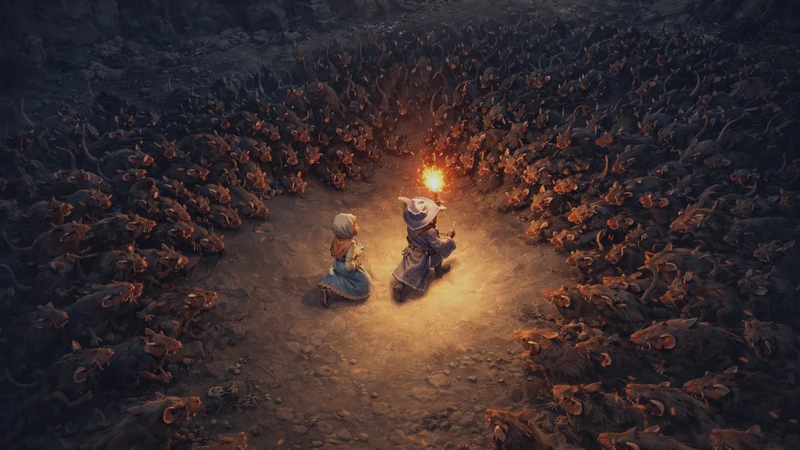
Hunt Battle is Last Asylum: Plague's primary alliance-wide combat event. Two alliances compete to clear 15 waves of Blights in their territory for scaling rewards. Unlike Alliance Duel, which scores individual actions across a week, Hunt Battle scores collective combat output inside a single timed session.
For alliances running $1,000+ per month rosters, Hunt Battle is where individual troop investment converts into alliance-wide rewards at the largest scale the game offers. The event rewards preparation and timing. Alliances that understand the wave structure, difficulty selection, and deployment discipline before the event starts extract significantly more value than those who react in real time.
This guide covers Hunt Battle mechanics, the related Thief Hunt and Wandering Blight events, difficulty selection, wave-by-wave coordination, and the full pre-event checklist that separates consistent full clears from frustrating partial ones.
Last Asylum: Plague Hunt Battle Event (the mechanics)
Difficulty selection: when initiating Hunt Battle, the alliance chooses one difficulty level locked for the entire challenge. The difficulty determines Blight wave strength and the corresponding reward tier.
Preparation phase: after the event starts, the first 5 minutes are setup time. Blight spawn points appear in alliance territory. No Blights spawn yet. This window is for positioning and coordination, not waiting.
Combat phase: 15 waves of Blights spawn with increasing difficulty after preparation ends. Total Blights killed within the time limit determines reward quantity. More kills equal more rewards.
March mechanics: troops attacking event Blights have a fixed 15-second march and return time standardized across all members regardless of map position. Distance from the alliance territory does not affect participation. Every member sends marches from wherever they are.
Quick reference:
- 20+ alliance members required, R5 or R4 initiates, one attempt per event period
- 5-minute prep phase then 15 waves of increasing difficulty
- Fixed 15-second send and return for all members regardless of position
- Total Blights killed determines rewards, not just wave completion
- Difficulty locked at initiation, cannot be changed mid-event
Last Asylum: Plague Hunt Battle Difficulty Selection Strategy: the most important pre-event decision
The difficulty choice happens before the event starts and locks in for the full 15 waves. Choose too low and you leave higher-tier rewards on the table. Choose too high and your alliance stalls mid-event and produces fewer total rewards than a lower difficulty would have.
Hunt Battle rewards scale with total Blight kills, not just wave completion. Full clear at difficulty 3 produces more total rewards than partial clear at difficulty 5. The optimal difficulty is the highest level where your alliance reliably clears all 15 waves within the time limit.
How to evaluate your difficulty ceiling before initiating:
Active member count during the event window matters more than total roster size. If 20 members initiate but only 15 are online during the combat phase, effective firepower drops by 25%. Confirm actual attendance before selecting difficulty, not expected attendance.
Average troop tier across participating members determines whether late waves become a wall. If most of your active roster is T8 or above, push higher difficulty. If half the roster is still at T5 to T6, scale down. The weakest members determine whether waves 11 to 15 clear.
Hero investment depth affects damage per march. Members with fully invested UR heroes contribute substantially more per march than members with scattered hero investment at the same troop tier. Factor hero development alongside troop tier when assessing difficulty ceiling.
Start one difficulty below your assumed ceiling for the first event cycle. New difficulty assumptions almost always overestimate the alliance's actual output during high-pressure waves. A conservative first run that full-clears is more valuable than an ambitious run that stalls at wave 12.
Last Asylum: Plague Hunt Battle Wave-by-Wave Strategy for Competitive Alliances
Waves 1 to 5: establish tempo
The first five waves should clear quickly and cleanly at any sensibly chosen difficulty. These waves test member participation, not power. The goal is establishing continuous march deployment from the first second of the combat phase.
Every online member sends marches immediately. The 15-second fixed march cycle means rapid redeployment is possible and expected. Members waiting for a Blight to die before targeting the next one break the clearing tempo that carries into mid-waves.
Waves 6 to 10: sustained pressure and focus fire
Mid-waves increase Blight HP and damage significantly. Uncoordinated alliances slow down here. The fix is focus fire: coordinate members to target the same Blight until it drops, then move collectively to the next target.
Wave commanders call targets in alliance chat or the external coordination channel. With the 15-second march cycle, even brief coordination produces measurable kill rate improvements. Members with the strongest troop tiers and highest squad loads should lead target switches. Their marches deal disproportionate damage per cycle, so getting them onto the right Blight first produces better results than waiting for full alignment.
Waves 11 to 15: all-in sprint
Final waves have the highest Blight HP and the most time pressure. Pre-event preparation pays off here.
Deploy any available alliance-wide combat buffs before wave 11 opens, not as a panic response to wave 14. Buffs used during the critical final waves affect significantly more kills than buffs saved for a wave that stalls.
Members send marches at the maximum rate the 15-second cycle allows. No idle time. Alliance leaders monitoring the event call out inactive members and redirect focus to compensate. Every second a march sits idle is a Blight that survives longer into the time limit.
Last Asylum Hunt Battle 5-minute preparation window
The prep phase is the most important coordination window in the entire event. Use every minute of it.
Confirm active headcount. Count members online and ready to march. If the number is significantly lower than expected, adjust the difficulty assessment before it locks in permanently.
Assign wave commanders. Designate two to three members to call targets during combat. These are your most experienced leaders who can track Blight HP, identify near-dead targets, and redirect firepower without creating confusion. One voice calling targets during late waves is worth more than five voices giving conflicting instructions.
Review Blight spawn locations. Spawn points appear during preparation. Knowing where Blights will appear lets the alliance pre-direct attention and avoid losing march cycles chasing targets across the territory.
Remind members of the fixed march mechanic. Some members assume distance from the alliance territory reduces their participation effectiveness. It does not. Everyone participates with the same 15-second cycle regardless of position. No member should sit out believing they are too far away.
R4 coordination: Hunt Battle and related events
Hunt Battle, Wandering Blight, and Thief Hunt all require R4 or R5 activation. For alliances running multiple events per week, the alliance guide covers how officer title assignments should reflect who is reliably online during each event's activation window.
The God of War R4 title is the natural home for Hunt Battle initiation responsibility. The God of War owns combat coordination, which includes starting Hunt Battle at the confirmed time, calling difficulty, assigning wave commanders, and monitoring the combat phase. An R4 who holds the God of War title but is offline during Hunt Battle means the event misses its window.
For Wandering Blight, pre-assign rally leads in advance of spawn windows and make sure the top-power members are on standby. For Thief Hunt, speed is the variable: R4 communication announcing the Thief location the moment it spawns produces the fastest collective response.
Alliance Leader Playbook: Alliance leader preparation checklist
One week before: survey the active roster, count confirmed participants for the event window, check average troop tiers and hero investment, select difficulty based on data.
24 hours before: announce the exact start time in alliance chat and external channels. Confirm R5 or R4 availability to initiate. Remind members that distance does not affect participation.
During preparation (5 minutes): confirm active headcount, assign wave commanders, review spawn positions, remind members of the 15-second fixed march cycle and continuous deployment expectation.
During combat: wave commanders call targets, focus fire on one Blight at a time during mid and late waves, deploy alliance buffs before wave 11, monitor for inactive members and redistribute focus.
After the event: review total Blight kills, wave completion, and time remaining. Assess whether difficulty selection was optimal. Adjust for the next cycle based on actual performance rather than assumption.
Your budget should be working harder than it is...
Here is the multiplier most serious Doctors never think to optimize.
Hunt Battle rewards collective investment, which means every member's individual progression contributes to the alliance result. There is a second variable most accounts leave unexamined: how efficiently your spend converts into Diamonds.
Most players buy through the App Store or Google Play at full retail price. For a single Doctor, the difference is manageable. For an alliance where 15 or more members are all paying full retail independently, that gap compounds into a meaningful amount of lost efficiency across a season. The same monthly budget, routed more efficiently, produces stronger troop tiers, better hero investment, and more Hunt Battle kill capacity without anyone changing how they play.
Packsify routes purchases through official channels in a more efficient way than buying solo. Same packs, same in-game delivery, same official payment rails. The difference is at the system level. Your monthly investment produces more actual in-game value without touching your account, your alliance, or how you spend inside the game.
Last Asylum: Plague Hunt Battle FAQs
We keep stalling on wave 13 or 14. What's actually going wrong?
Almost always one of three things: difficulty was selected one tier above what the active roster can sustain for 15 waves, members are spreading marches across multiple Blights instead of focus firing a single target to death, or alliance buffs were not deployed before the wave that stalled. Check the roster's actual active count during those waves, not the headcount at event start. Members who drop off between wave 5 and wave 13 reduce effective firepower without triggering any visible indicator for the R4 monitoring the event.
What is Wandering Blight in Last Asylum: Plague and how is it different from Hunt Battle?
Wandering Blight is a separate world map event where high-difficulty Blight bosses spawn at specific locations across the warzone. Unlike Hunt Battle, which takes place in alliance territory with a fixed march time, Wandering Blight requires marching to the boss location on the world map. Alliance rallies rather than individual marches are the primary combat method. Wandering Blight drops rare materials including gear components and hero shards not reliably available elsewhere. The alliance pre-assigning rally leads before spawn windows and having top-power members on standby outperforms alliances that respond reactively.
What is Thief Hunt in Last Asylum: Plague?
Thief Hunt is a time-limited pursuit event where a Thief character appears on the map carrying stolen alliance resources. Alliance members must locate and defeat the Thief before the timer expires. Speed is the primary variable: the faster the alliance gets sufficient troop power to the Thief location, the higher the resource recovery. R4 communication announcing the Thief's location immediately on spawn is the most important single action in Thief Hunt.
Should I start Hunt Battle at the difficulty we completed last time or push higher?
Push higher only if two conditions are met: your active member count was stable through all 15 waves last cycle, and the final waves cleared with time remaining rather than barely. If you finished wave 15 with less than two minutes left, you are already at your ceiling. If you had five or more minutes remaining, one difficulty step up is likely safe. Never push two difficulty tiers at once based on a single clean clear.
Does R4 have to be the one to start Hunt Battle or can R5 do it?
Either R4 or R5 can initiate Hunt Battle. The practical question is which officer is reliably online at the confirmed event start time. For alliances where the R5 is not always available during the event window, assign Hunt Battle initiation as an explicit responsibility to a specific R4 who is consistently active during that window. An R4 with the God of War title is the natural fit for this responsibility since combat coordination is their designated function.
Packsify helps high-spending mobile strategy players turn the same monthly budget into more in-game power. Official channels. Real humans. No bots, no hacks, no drama. 5+ years operating. Zero bans.